
Bridging the Divide: Why U.S. Political Parties Struggle to Fund the TSA Together
3/30/20263 min read
The Political Landscape: A Divided Front
In the fast-paced world of U.S. politics, it often feels like a battlefield where collaboration is exceedingly rare and hard to come by. Among the many contentious issues that fuel this growing divide is the critical funding of the Transportation Security Administration (TSA). With two major political parties holding distinctly opposing views on most significant matters, coming together to ensure the safety and security of our air travel systems seems not just difficult but like an insurmountable challenge that looms larger with each passing day. The urgency is palpable, as delays and political standoffs persist while the safety of citizens and travelers hangs in the balance.
Funding the TSA: A Shared Interest?
At first glance, funding the TSA should be a no-brainer, an issue that transcends party lines and taps into a fundamental agreement on public safety. Both parties agree on the importance of national security, especially in our bustling airports where millions of people pass through and travel daily. However, the reality is often much different. The discussions surrounding TSA funding are frequently bogged down by entrenched partisan politics. Each party uses the opportunity to push its own agenda, beliefs, and priorities, making it increasingly difficult to reach a broad consensus that prioritizes effective funding for security.
The TSA requires a significant and stable budget to operate effectively and fulfill its vital responsibilities. It needs adequate resources to purchase state-of-the-art screening equipment, invest in advanced technologies, and hire well-trained personnel who can handle these increasingly complex tasks. Despite this shared interest in maintaining a safe travel environment, debates about fiscal responsibility often overshadow the urgency of securing adequate funding, leading to unnecessary delays and serious budgetary constraints that could have long-term repercussions on overall security effectiveness.
Partisanship and Its Impact on Security
The greater issue here is the lens of partisanship through which these discussions are viewed. Political parties are using TSA (and DHS) funding as leverage to score political points against one another, creating a landscape where cooperation is not just a challenge but seems almost unattainable. This sidetracks what should be a cooperative effort aimed at improving travel security and ensuring public safety. For instance, representatives might refuse to support a funding bill if they perceive it to be benefiting their political adversaries, thereby entrenching the divide even further.
This behavior breeds growing frustration among citizens who expect their representatives to prioritize safety and security over self-serving political maneuvering. If we could collectively shift the conversation from narrow partisan politics to a focus on collective security and the welfare of citizens, perhaps we would see tangible progress in TSA funding and, by extension, in enhancing traveler safety and satisfaction.
Finding Common Ground: Possible Solutions
What can be done to bridge this profound divide? Initiatives that actively promote bipartisanship could be a critical first step toward solving the if not daunting, ongoing funding crisis. By creating platforms where lawmakers from both sides can engage in constructive dialogue and build mutual understanding, we can hope to remove the political barriers that hinder effective cooperation and progress in achieving shared goals.
It’s also essential to emphasize the real-world implications of TSA funding decisions. Highlighting personal stories from travelers who have experienced security challenges can resonate more deeply with lawmakers, tugging at their sense of duty and responsibility, and potentially encourage them to come to the negotiating table with a willingness to collaborate.
Additionally, advocating for independent committees that operate outside of the partisan landscape can lead to recommendations and solutions that are more focused on safety and less on political gain. If politicians can recognize the crucial importance of collaborative efforts for the greater good, they just might find the courage and resolve to put aside their differences for the essential sake of public safety and traveler security.
Conclusion: A Road Ahead
Ultimately, it comes down to leadership, bipartisanship, and the genuine willingness to cooperate for the benefit of all citizens. While the political divide may seem daunting and its implications profound, there lies a significant opportunity for progress if both parties can come together to agree on the crucial funding of the TSA. The stakes are high with ripples that can affect millions of lives, and the benefits of a safer travel experience are truly invaluable. It’s time for a united approach—because when it comes to security, we’re all on the same side, and we must work together to ensure safety and security in our air travel systems.
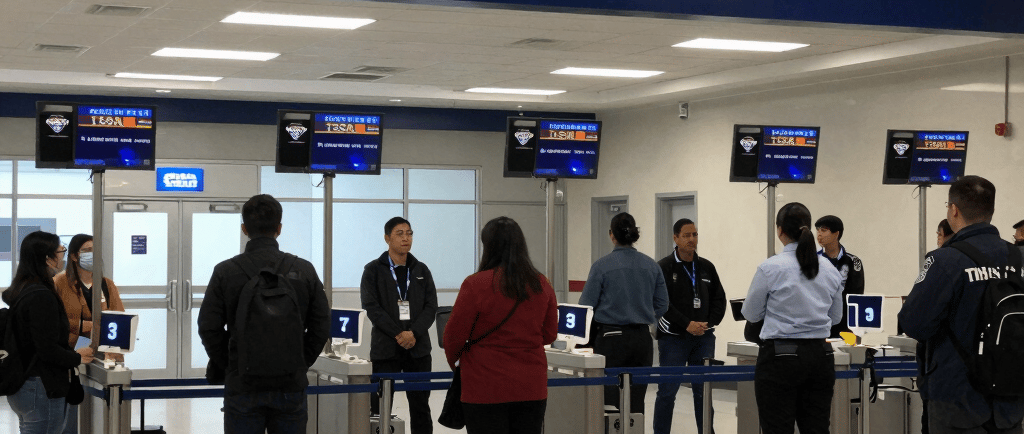
Note: AI generated image
Contact
Questions or thoughts? Email us or comment to the posts.
© 2026. All rights reserved.