
The Cathedral, the Conglomerate, and the Bottom Line: Fenway 2026
4/3/20264 min read
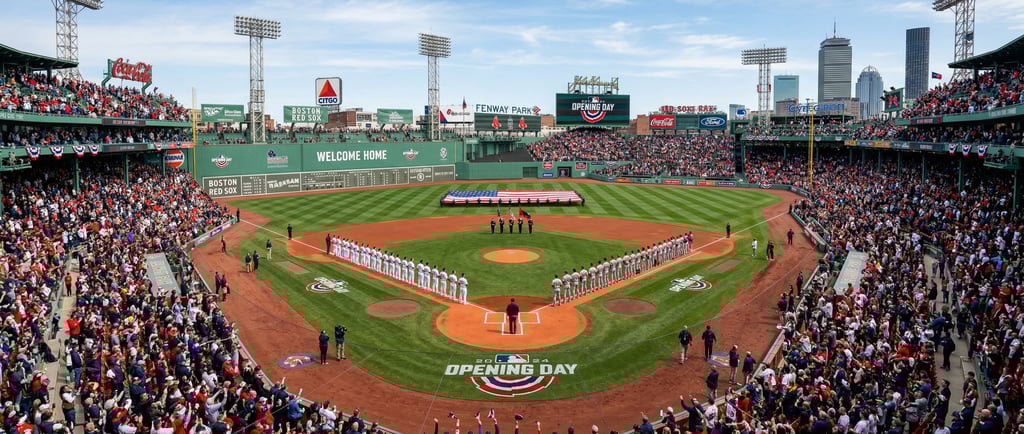
There is no sound quite like the first crack of a bat at Fenway Park in April. Today, as the Boston Red Sox host the highly anticipated Home Opener, the air is thick with the scent of delicious sausage and peppers sizzling on the grills, the sight of a pristine Green Monster standing tall and proud, and the heavy, lingering questions of a restless fanbase that has so much hope and expectation.
Opening Day is undeniably a holy day in New England, a time for celebration and renewal, but this year, the "Cathedral of Baseball" feels a little more like a monument to a bygone era of dominance and glory. To understand why this shift has occurred, one must look past the glimmering diamond of the field and into the boardroom of a global empire that is constantly changing.
The FSG Era: From Curse-Breakers to Corporate Giants
In the year 2002, John Henry, Tom Werner, and Larry Lucchino—operating as Fenway Sports Group (FSG)—purchased the beloved team for $380 million. The promise of this new ownership was simple yet profound: "Save Fenway Park" and "Win World Series." For nearly two full decades, they delivered on both promises with staggering efficiency and impressive results.
The Preservation: While other teams fled for suburban concrete bowls filled with generic seating and sterile atmosphere, Henry invested over $400 million into Fenway, ensuring that this historic 1912 landmark remained a viable, modern home for baseball and its passionate fans.
The Trophies: In a glorious triumph, they broke an 86-year drought by winning a World Championship in 2004, followed by additional titles in 2007, 2013, and a historic 108-win season that captivated the entire region in 2018.
However, as the years progressed, the once-celebrated Red Sox shifted from being the crown jewel of the portfolio to just another asset in a massive, diversified conglomerate, one that demands constant attention and focus.
The "Full Throttle" Myth: A Decline by the Numbers
For an entire generation, the Red Sox were recognized as perennial top-three spenders in Major League Baseball. Today, the financial strategy looks drastically different and markedly less aggressive. Fans often point to the 2020 trade of Mookie Betts as the pivotal "inflection point"—the moment the passionate pursuit of a World Series title was tragically replaced by the cautious pursuit of "sustainability" in the business model.
The frustration that fans feel isn't just about the dollar amount being spent; it’s about the intent behind those decisions. Critics argue that FSG has masterfully refined the art of the "Fenway Experience"—selling the rich history and vibrant atmosphere associated with the park—while treating the current roster of players as merely a secondary concern, risking the team’s competitive edge.
A House Divided: The FSG Global Portfolio
To grasp where the "missing" Red Sox money might be going, one must look at the other "children" in the FSG family. John Henry and his company are busily managing a multi-billion dollar empire that spans continents and sports.
1. Liverpool FC: The Global Crown Jewel
Since the year 2010, FSG has transformed Liverpool into a financial titan on the global stage. They ended a long-standing 30-year English league title drought and expanded the iconic Anfield Road Stand, showcasing their commitment to growth and success. However, the relationship remains tense; fans have accused Henry of attempting to turn the club into a mere "franchise" during the failed European Super League attempt, which sparked widespread outrage and backlash. In 2026, the focus remains heavily on navigating the post-Klopp era, requiring significant capital and attention to maintain competitive parity.
2. Pittsburgh Penguins: The Hockey Pivot
In late 2021, FSG purchased a controlling stake in the Pittsburgh Penguins for roughly $900 million. For diehard Red Sox fans, this was a bitter pill to swallow: the purchase occurred right as the Sox were in the process of "re-tooling" and cutting costs across the board. FSG has since invested heavily in redeveloping the real estate surrounding the arena in Pittsburgh, highlighting their commitment to maximizing asset value.
3. RFK Racing: The Need for Speed
FSG’s stake in RFK Racing in NASCAR brings a data-driven, "Moneyball" approach to the track, adapting strategies that revolutionize competitive dynamics. While it serves as a high-visibility marketing platform, it also represents another potential distraction from the diamond on Jersey Street, an aspect that many fans feel is concerning.
4. The New Frontier: TGL and Tech-Golf
The newest addition to this empire is Boston Common Golf, a franchise that is poised to make waves in the high-tech TGL league. This venture highlights FSG’s current obsession with tech-driven sports media and innovation. It reinforces the growing fear that the Red Sox are no longer a "passion project" for Henry, but rather a "legacy asset" leveraged to generate cash flow for more modern, digital-first ambitions that could overshadow the beloved tradition of baseball.
The Verdict: Profit Over Pennants?
When you examine the board of directors at FSG, you aren't just looking at baseball owners; you're looking at a global venture capital firm with vast interests. When the Red Sox pass on a top-tier free agent, it’s often not because they can't afford him—it’s because that capital is being deployed into a stadium in England, a hockey team in Pennsylvania, or a virtual golf league that's gaining popularity and traction among enthusiasts.
Today, as the anthem plays and the flags fly high in the warm spring air, the seats will be filled with fans eager to root for their team. "Sweet Caroline" will echo through the neighborhood just as it always does, inspiring nostalgia and camaraderie. But as the Red Sox struggle to keep pace with the escalating spending of the Yankees and Dodgers, the pageantry of Opening Day can only mask the harsh reality for so long, an uncomfortable truth that many wish were different.
Boston is a city built on a proud legacy of winning and achievement in sports. For John Henry and FSG, the formidable challenge is no longer just about maintaining a historic ballpark—it's about convincing a skeptical city that they still care deeply about what happens on the field as much as they care about the bottom line, an essential balance that every fan hopes for.
Contact
Questions or thoughts? Email us or comment to the posts.
© 2026. All rights reserved.